Source Front Frame Mount Bicycle Basket for Kids, Road, and Ordinary Bikes
Compare 30 front frame mount bicycle basket options from Chinese manufacturers. Buyers can evaluate steel and metal materials, plastic baskets, and customization features for kids, road, and ordinary bicycles.
Key considerations
Products List


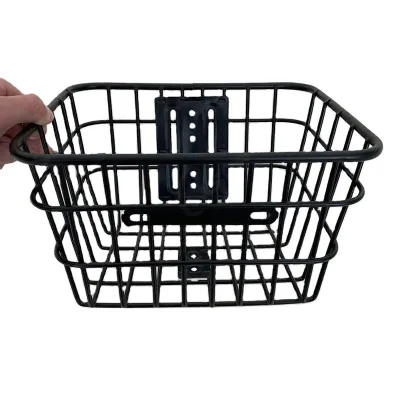
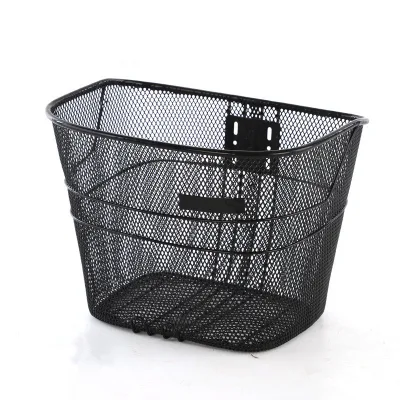
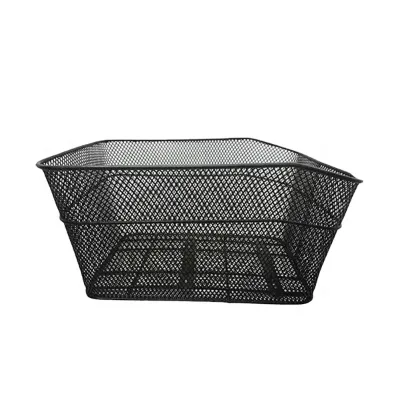
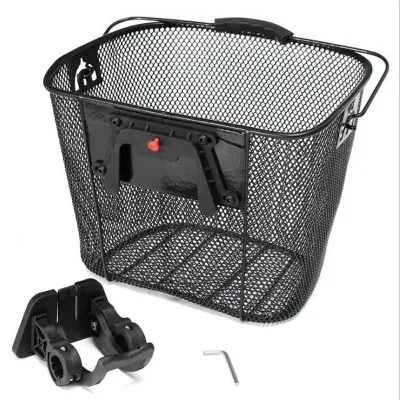


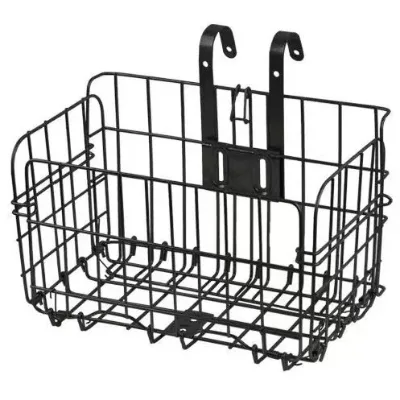
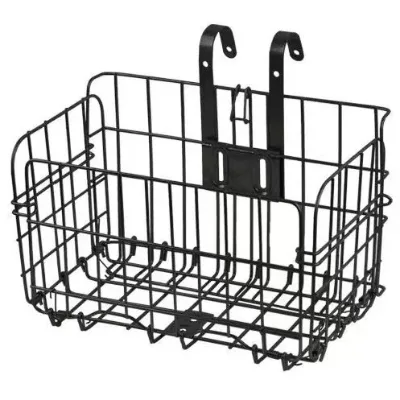
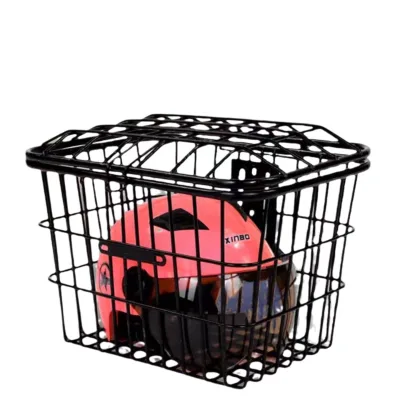
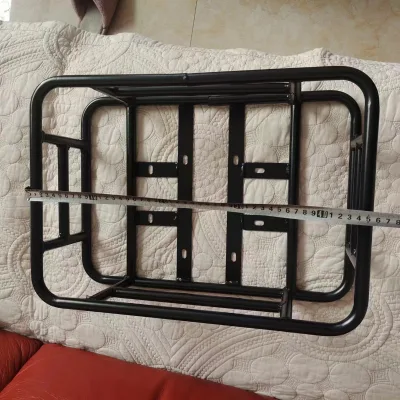


Comprehensive Sourcing Guide
Front Frame Mount Bicycle Basket Sourcing Guide
Sourcing a front frame mount bicycle basket requires a careful balance between aesthetic appeal, structural integrity, and practical utility. Buyers must navigate a market where products range from simple plastic containers to robust metal wire designs, each serving different riding styles and load requirements. The decision to mount a basket on the front frame rather than the rear rack significantly alters the center of gravity and handling characteristics of the bicycle, making the selection of the right mounting hardware and basket weight critical for safety and performance. This guide provides a structured approach to evaluating suppliers, verifying technical specifications, and ensuring that the final product meets the specific needs of the end-user, whether for urban commuting, recreational riding, or specialized applications like pet transport.
The procurement process for these accessories is influenced by a variety of factors, including material choice, customization options, and packaging efficiency. Observed market data indicates a wide price range, reflecting differences in manufacturing complexity and material quality. Buyers should focus on understanding the total landed cost, which includes not only the unit price but also shipping, tariffs, and potential rework costs due to quality issues. By establishing clear requirements early in the sourcing process, buyers can filter out suppliers who cannot meet their specific needs regarding capacity, durability, and aesthetic consistency, thereby reducing the risk of supply chain disruptions and customer dissatisfaction.
Product Scope and Observed Listing Signals
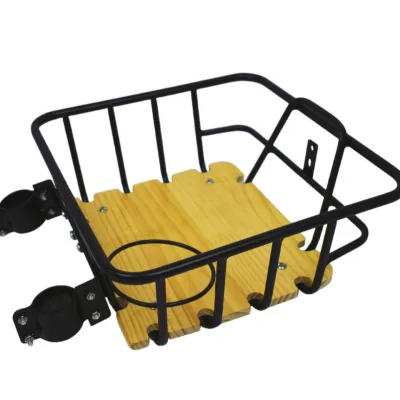
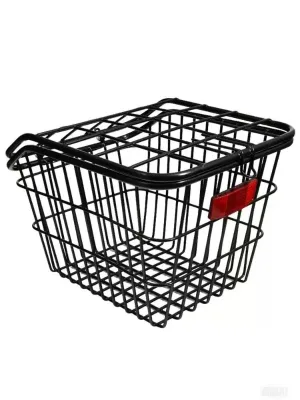
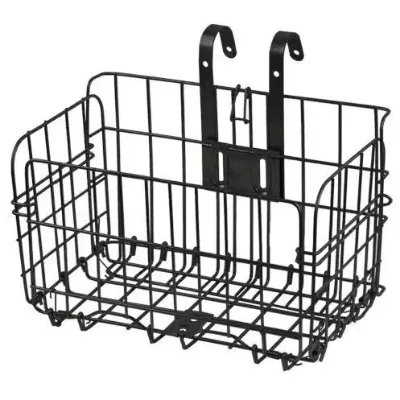
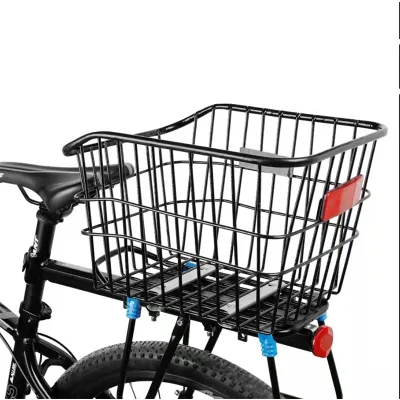
The current market for front frame mount bicycle baskets exhibits significant diversity in materials, shapes, and intended applications. Observed listings reveal products constructed from steel, metal, and plastic, with some featuring leather saddle shells or specific coating treatments like black or white finishes. The shape of these baskets varies, with rectangular designs being common, and capacities ranging from small storage units to larger bins suitable for carrying goods or even pets. This variety suggests that buyers should not assume a one-size-fits-all approach; instead, they must align the product’s physical attributes with the specific use case, such as lightweight urban commuting versus heavier-duty cargo transport. The presence of customization options indicates that many suppliers are willing to adapt designs to meet specific branding or functional requirements, offering flexibility for private label opportunities.
Listing signals also highlight important operational details such as packaging configurations and origin locations. Many products are sourced from regions like Xingtai, Hebei, China, a known hub for bicycle component manufacturing. Packaging is often standardized, with common configurations including 20 or 40 pieces per carton, which directly impacts shipping volume and cost efficiency. Some listings specify single package dimensions and gross weights, providing crucial data for logistics planning. Buyers should pay close attention to these logistical details, as inefficient packaging can inflate freight costs and increase the risk of damage during transit. Additionally, the condition of the products is consistently listed as new, and some items are marked as non-customized, indicating that buyers must carefully distinguish between off-the-shelf items and those requiring bespoke modifications.
Technical Specifications to Verify
Verifying technical specifications is paramount to ensuring that the bicycle basket integrates seamlessly with the target bicycle models. Key attributes to confirm include the mounting interface, which must be compatible with the handlebar stem or frame geometry of the intended bicycles. For instance, some products are specified for mountain bikes, road bikes, or specific models like the BXM, indicating that mounting hardware varies significantly. Buyers should request detailed dimension drawings to ensure the basket’s size, such as 27.5 x 23 x 16 cm or other custom requests, fits within the desired clearance and does not interfere with steering or braking components. The spoke hole count, ranging from 32 to 40 holes in some related components, may also influence wheel compatibility if the basket design interacts with the wheel structure, although this is less common for front mounts.
Material properties and durability features are equally critical for long-term performance. Products may be made from steel or metal, often coated to prevent corrosion, with some featuring plastic baskets for lightweight applications. The presence of features like removable designs, fashion-forward aesthetics, and durability claims should be validated through physical samples. Buyers should also verify the weight of the product, as a heavy basket can negatively impact the handling of lighter bicycles. Specifications such as the model number (e.g., HH-BK-4005, CTWZ0066, T-36B) serve as unique identifiers for quality control and reorder accuracy. Ensuring that the product’s single gross weight and package dimensions are accurately declared helps in planning storage and distribution logistics effectively.
Compliance and Safety Documentation
Compliance and safety documentation are essential for mitigating liability and ensuring that the products meet the regulatory requirements of the target market. While specific certifications vary by region, observed listings mention ISO and ISO9001 SGS standards, indicating a baseline level of quality management system adherence. Buyers should verify that suppliers can provide relevant test reports, particularly for structural integrity and load-bearing capacity, to ensure the basket can safely support the intended weight without failing during use. For products intended for children’s bikes or pet transport, additional safety considerations may apply, such as the absence of sharp edges or the use of non-toxic materials.
Documentation should also cover environmental and material safety standards, especially if the baskets are made from plastics or coated metals. Buyers should request material safety data sheets (MSDS) and declarations of conformity to ensure that the products comply with regulations such as REACH or CPSIA, depending on the destination. It is crucial to confirm that the supplier’s quality control processes are documented and that they conduct regular inspections to maintain consistency. By requiring comprehensive compliance documentation, buyers can protect their brand reputation and avoid potential legal issues related to product safety and environmental impact.
Cost Drivers and Commercial Terms
Understanding the cost drivers and commercial terms is vital for negotiating favorable contracts and maintaining healthy profit margins. The price of front frame mount bicycle baskets is influenced by factors such as material costs, manufacturing complexity, and customization requirements. Observed price ranges vary widely, reflecting differences in quality and features. Buyers should analyze the cost breakdown to identify areas where savings can be achieved without compromising quality, such as optimizing packaging to reduce shipping volume or selecting standard designs over custom ones. Minimum order quantities (MOQs) also play a significant role, with observed ranges from 2 to 1000 pieces, allowing for flexibility in initial orders and subsequent replenishments.
Commercial terms should be clearly defined to avoid misunderstandings and disputes. Delivery times, observed to be as short as 3-7 days for some items, can be a competitive advantage but may come with higher costs or limited customization options. Buyers should negotiate clear terms regarding payment methods, shipping responsibilities (Incoterms), and warranty policies. It is also important to consider the cost of samples and tooling for custom designs, as these can add to the initial investment. By establishing transparent commercial terms, buyers can ensure a smooth procurement process and build a reliable supply chain that supports their business goals.
Supplier Qualification and Quality Control
Supplier qualification and quality control are foundational to securing a reliable supply of high-quality bicycle baskets. Buyers should conduct thorough due diligence on potential suppliers, verifying their business licenses, production capabilities, and past performance. Observing the supplier’s facility and production lines can provide insights into their quality management practices and capacity to meet demand. It is essential to establish clear quality standards and inspection protocols, including pre-production samples, during-production checks, and pre-shipment inspections. These steps help identify and rectify defects early, reducing the risk of receiving substandard products.
Quality control should also encompass packaging and labeling standards to ensure that products arrive in good condition and are correctly identified. Buyers should verify that the supplier follows the agreed-upon packaging configurations, such as 20 or 40 pieces per carton, and that labeling meets the requirements of the target market. Regular audits and performance reviews can help maintain high standards and identify areas for improvement. By investing in robust supplier qualification and quality control processes, buyers can build a strong partnership with their suppliers and ensure consistent product quality that meets customer expectations.
Long-Term Procurement Checks
Long-term procurement checks are necessary to maintain supply chain resilience and adapt to changing market conditions. Buyers should regularly review supplier performance metrics, including on-time delivery rates, product quality, and responsiveness to issues. Establishing a system for continuous feedback and improvement can help address problems proactively and strengthen the supplier relationship. It is also important to monitor market trends and technological advancements in bicycle accessories, as these can influence product design and consumer preferences. By staying informed about industry developments, buyers can make strategic decisions that keep their product offerings competitive and relevant.
Additionally, buyers should diversify their supplier base to mitigate risks associated with single-source dependencies. Maintaining relationships with multiple suppliers can provide flexibility in case of supply disruptions or capacity constraints. Regularly updating product specifications and requirements based on customer feedback and market analysis ensures that the procurement strategy remains aligned with business objectives. By implementing long-term procurement checks, buyers can build a robust and adaptable supply chain that supports sustainable growth and customer satisfaction.
FAQs
What material is used for the front bike basket?
The basket is constructed from steel and metal materials with a plastic basket component. It features a leather saddle shell and is coated with black or white treatment for durability and weather resistance.
Can the product be customized for specific needs?
Customization is available for this product, allowing buyers to request special sizes or designs. However, some listings show non-customized options, so verify the specific model requirements before ordering to ensure the desired fit.
Which certifications does the manufacturer hold?
The product holds ISO certification and meets ISO9001 SGS standards. These certifications ensure quality management and safety compliance for the steel and metal components used in the bicycle basket manufacturing process.
How long is the delivery time for orders?
The standard delivery time is 3 to 7 days for this product. This lead time applies to the production and shipping process from the origin in Xingtai, Hebei, China, to the destination.
What is the minimum order quantity for this item?
The minimum order quantity ranges from 2 to 1000 units depending on the supplier. Buyers should check specific listings as some pack 20 or 40 pieces per carton, affecting the total order volume required.
Where is the product manufactured and shipped from?
The product originates from Xingtai, Hebei, China. This location is the primary place of origin for the steel and metal bicycle baskets supplied to international buyers through various vendors.
What is the capacity and size of the basket?
The basket size is approximately 142 by 60 by 42 cm or other special requests. It has a capacity ranging from 500 to 1000 ml, suitable for carrying goods or pets on bikes and scooters.